

From Mechanical Designer to Electrical Lead: Paul Norman's ColeBreit Journey
When Paul Norman joined ColeBreit Engineering as employee number five back in 2016, he had zero experience in electrical engineering. Ten years later, Paul is on his way to becoming a licensed electrical engineer, recently passing his PE exam and serving as an electrical lead where he focuses on designing systems for commercial, educational, hospitality, multifamily, and high-end residential projects across Oregon and California.
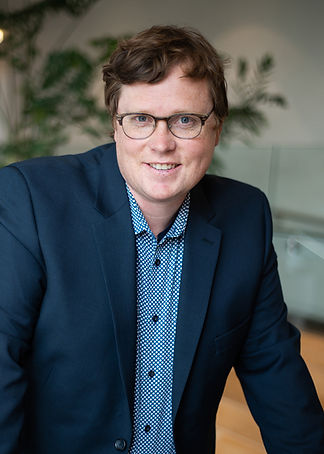
A Career Rooted in Bend
Born and raised in Bend, Oregon, Paul brings 29 years of AEC industry experience to ColeBreit, starting his path at the drafting table. For 14 years, he worked as an architectural and structural engineering drafter on high-end custom homes, an experience that sparked his love for design during high school when he first got hands-on with AutoCAD. During the recession, Paul chose to pursue formal engineering credentials, enrolling in OSU-Cascades' brand-new Energy Systems Engineering program in Bend.
He graduated in 2016 as part of the third class to come through the program, armed with a broad foundation in mechanical and industrial engineering. That same year, ColeBreit hired him on as a mechanical designer, drawn largely by his early, hands-on experience with Revit at a time when the company was just beginning to standardize the software company-wide.
Building ColeBreit's Foundation
Paul's first two years at ColeBreit were spent immersed in mechanical and plumbing design: HVAC, natural gas, domestic water, hot water return, waste and vent, grease waste, storm, medical air, and vacuum systems. That breadth gave him a rare, comprehensive understanding of how building systems interconnect and coordinate across disciplines.
When ColeBreit made the strategic decision to expand into electrical engineering, leadership turned to Paul again. Because he'd already helped build the firm's mechanical and plumbing Revit standards, he was the natural choice to help establish the drafting infrastructure and CAD standards for the brand-new electrical department. It was during that standards-building process that Paul discovered an unexpected passion for the discipline and decided to make the switch permanent.
“We had wanted to add electrical as part of ColeBreit's portfolio, and since I was so familiar with the design standards of mechanical and plumbing, it was a logical choice that I get in there and help establish a good foundation for that discipline," Paul explained.
ColeBreit's Investment in Growth
Throughout the process of studying for his PE exam, ColeBreit backed Paul in tangible ways including covering online coursework, and easing his project load during the heaviest study stretches so he wouldn't be stretched too thin.
Since passing his PE exam, Paul has already noticed a shift in how colleagues and clients perceive him. While he is still completing the official licensing process, earning this milestone has added weight to his recommendations and strengthened both his professional standing and ColeBreit’s credibility on a project.
"ColeBreit has made it a priority to invest in my growth over the years and helped me embrace the core values of the company," Paul said, summing up his decade-long tenure.
What's Next
Paul's ambitions going forward center on giving back to the same kind of growth culture that shaped his own path. He's focused on mentoring newer and younger engineers, improving design standards and workflows, and embracing technology that helps the team deliver more efficient, error-resistant projects.
Outside the office, Paul credits ColeBreit's genuine commitment to work-life balance for letting him stay present with his family. He's married to a kindergarten teacher and the two are raising their kids in Central Oregon. When he's not working, he's usually reading, watching movies, listening to punk music, or out enjoying the staple outdoor activities of life in Bend.
